

The bookkeeping and accounting field constantly evolves with new regulations, technologies, and industry practices. Successful bookkeepers and accountants embrace continuous learning and professional development to stay updated with changes in the industry. Pursuing certifications, attending seminars, and participating in relevant training programs demonstrate their commitment to professional growth and staying current in their field. Proficiency in accounting software enables them to manage financial transactions efficiently, generate reports, and streamline bookkeeping processes. Continuous learning and staying updated with the latest accounting software advancements are essential. Additionally, accounting software often incorporates tax compliance features, making it easier for companies to meet their tax obligations and stay up-to-date with changing regulations.

QuickBooks Support
Accuracy is key, since missing even one transaction can cause problems later. Both bookkeepers and accountants may charge a flat rate or, more commonly, by the hour. Accounting also involves reporting these findings to tax collectors and regulators. It’s a process that tells the financial story of your business, including if your business is profitable or if you’re suffering a loss. If you want to explore more day-to-day tasks, read our article about what a bookkeeper difference between bookkeeping and accounting does. Though bookkeeping and accounting are inseparable, there is a thin line to distinguish between them.
- This includes but is not limited to noting down payments made to vendors, documenting sales, and tracking various business-related expenses.
- Bookkeepers and accountants both manage financial transactions, but their focus and methods can differ.
- Bookkeepers generate basic financial reports, including income statements, balance sheets, and cash flow statements.
- They also handle tax preparation, conduct audits, and provide strategic advice on budgeting and financial planning.
- Accountants are responsible for preparing financial statements, conducting ratio analysis, managing budgets, performing financial forecasting, and ensuring legal compliance.
- They can contextualize financial information within the broader business context, enabling them to provide meaningful insights and recommendations.
Should you hire a bookkeeper or an accountant?
- Poor cash flow management can result in insufficient funds to cover operational costs, missed vendor payments, and difficulties meeting financial obligations.
- — Kimi Green, cofounder of Sam’s List, a platform that connects businesses with qualified accountants and bookkeepers.
- Proficiency in accounting software enables them to manage financial transactions efficiently, generate reports, and streamline bookkeeping processes.
- Understanding their distinctions can help you make smarter financial decisions and keep your business on the path to success.
- They take care of accounts receivable (money owed to the business) and accounts payable (money the business owes).
Many professionals pursue the Certified Public Accountant (CPA) designation, which requires passing the Uniform CPA Examination and fulfilling state-specific experience and ethics requirements. The CPA credential is particularly valuable for roles involving financial audits, tax advisory services, and SEC reporting compliance. Accounting tasks go beyond data entry and include in-depth financial analysis. For example, accountants might conduct cost analyses, prepare financial forecasts, manage compliance with financial regulations, and offer advisory services based on financial health reports. For entrepreneurs and high-growth businesses, differentiating between bookkeeping and accounting is crucial for effective financial management.
OBBB Tax Bill Signed by the President: What Small‑Business Owners Need to Know Before It Becomes Law
- We’re here to explain how they differ, what each role involves in your financial management, and how both can support your business.
- As a general rule, however, bookkeeping qualifications don’t require the same level of financial, analytical, or tax training as an accountant.
- Bookkeepers and accountants are subject to various regulatory compliance requirements depending on their location, the nature of work, and the industries they serve.
- The financial data generated through bookkeeping enables accountants to provide valuable insights and recommendations to management for strategic decision-making.
- Accountants prepare financial statements such as cash flow statements, balance sheets, and profit and loss statements.
- But if your business has complex finances or taxes, look for a certified bookkeeper who’s trained in basic accounting practices.
The 20th century brought laws, rules, and standards to make accounting more accurate and trustworthy. Today, both bookkeeping and accounting rely on accounting software and bookkeeping software to save time and reduce errors. Once the bookkeeper posts all transactions, the accountant generates a trial balance that lists all business accounts and balances.
The difference between accountants and bookkeepers
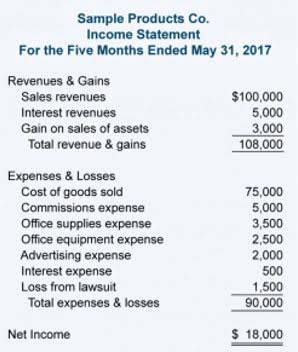
Bookkeeping and accounting have different core responsibilities, but both are essential for understanding and managing a business’s finances. Each role involves important tasks that work together to make sure financial data is accurate, up-to-date, and useful. Bookkeepers focus on accurately recording and categorizing all financial transactions from the year—such as sales, expenses, payroll, and other daily entries. Their primary job is to organize and maintain financial records, ensuring that the data is complete and up-to-date. Accountants use bookkeeping records to assess big-picture finances and make smart business decisions.
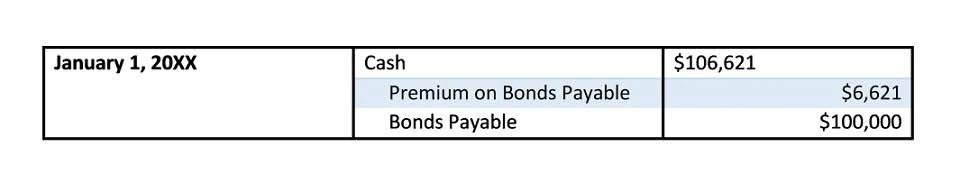
They often hold degrees in accounting or finance and undergo rigorous exams, like the CPA (Certified Public Accountant). Analytical thinking, understanding taxation laws, and financial forecasting are critical skills. If you’re handling intricate financial analyses, accounting knowledge becomes indispensable. Bookkeepers generally require proficiency in data entry and attention to detail. A high school diploma with basic knowledge of spreadsheets or accounting software suffices for many positions.
For instance, healthcare, construction, and financial services have their compliance requirements. Accounting transforms raw data into actionable insights that help businesses grow. Financial analysts and managers rely on reports like What is bookkeeping cash-flow statements and profit-and-loss summaries to understand a company’s financial position.
Bookkeeping primarily focuses on data entry and recording transactions, whereas accounting involves deeper analysis and interpretation of financial data. Both bookkeeping and accounting are crucial for the smooth operation of a business, ensuring accurate and consistent financial records. Bookkeeping ensures that each cash flow statement is accurately recorded, while accounting provides insights and guidance for decision-making and strategic planning.
While distinct, bookkeeping and accounting Accounts Receivable Outsourcing exist in a symbiotic relationship. Conversely, accounting gives meaning and context to the data collected through bookkeeping. This is due to the broader scope, greater responsibilities, and higher qualifications required for accounting roles compared to bookkeeping.